
2026-10-08 · David Miller
Navigating Baltimore County Permits for Roof Replacement
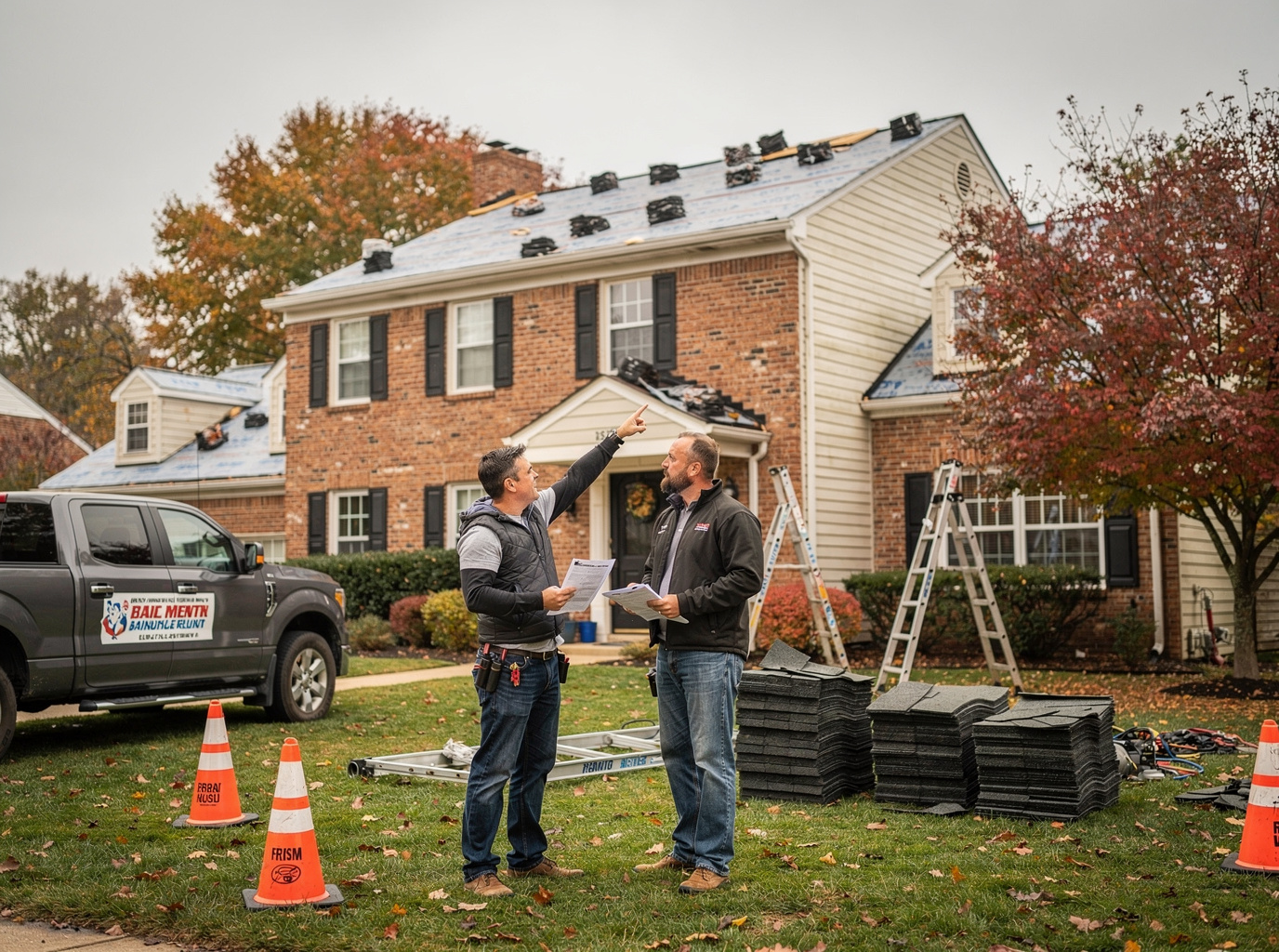
When undertaking a roof replacement project in Baltimore County, including Towson and its surrounding neighborhoods like Rodgers Forge or Stoneleigh, securing the proper permits is not just recommended, it's legally required. For most residential roof replacements, you will need a Building Permit from Baltimore County. This permit ensures that your project adheres to local building codes, which are in place to protect your property's structural integrity and safety. The process typically involves submitting an application, providing detailed project information, and paying a fee, which can vary based on the scope and estimated cost of the work. Skipping this vital step can lead to significant fines, project delays, and even the requirement to remove newly installed roofing materials if they don't meet code.
Why Baltimore County Requires Roof Replacement Permits
Baltimore County's permit requirements for roof replacement are designed to safeguard homeowners and maintain property standards. Given our humid subtropical climate with hot summers and cold winters, roofs in areas like West Towson and Ruxton endure significant wear and tear. Permits ensure that new installations meet minimum standards for materials, ventilation, and structural integrity, preventing common issues like premature failure or water intrusion. This is particularly important for older homes prevalent near Towson University or the Baltimore County Courthouse, where original construction methods might differ from current codes. The permit process also creates a record of the work, which can be valuable during future home sales or insurance claims, providing assurance that the roof was installed correctly by qualified professionals.
The county's Department of Permits, Approvals and Inspections (PAI) is responsible for overseeing these regulations. Their goal is to prevent substandard work that could lead to safety hazards or diminish property values. For instance, proper ventilation requirements, often checked during the permit process, are critical in our climate to prevent attic moisture buildup, which can lead to mold and rot. Ensuring compliance helps protect your investment and the longevity of your home, whether you're replacing an old roof or addressing storm damage. For more on specific types of roof damage we see in the area, you might find our article on Common Storm Damage Signs After Maryland Thunderstorms helpful.
The Permit Application Process in Baltimore County
The permit application process for a roof replacement in Baltimore County generally begins with submitting an application to the Department of Permits, Approvals and Inspections. You can usually access the application forms online or in person at their offices. Key information required typically includes: the property address (e.g., in Towson, Parkville, or Pikesville), the property owner's details, the contractor's license information (if applicable), and a detailed description of the work to be performed. This description should specify the type of roofing material being installed, such as asphalt shingles or metal roofing, and whether it's a full tear-off and replacement or a re-roof over existing layers.
Often, you'll need to provide a site plan or a sketch of the roof showing dimensions and any existing structures like chimneys or skylights. While complex architectural drawings aren't usually necessary for a standard roof replacement, clarity is key. Once submitted, the application will be reviewed by county officials to ensure it meets all relevant building codes. This review period can vary, but typically takes a few business days to a week. After approval, the permit is issued, and work can commence. Remember, the permit must be posted visibly at the job site throughout the duration of the project, and inspections will be scheduled at various stages to ensure compliance.
Common Permit Requirements and Inspections
For a typical residential roof replacement in Baltimore County, several key requirements and inspections are standard. First, the application will ask about the scope of work, specifically whether it's a "tear-off" or a "re-roof." A tear-off, where all existing roofing layers are removed down to the decking, is generally preferred and often required if there are already two or more layers of roofing materials. This allows for a thorough inspection of the roof deck for any rot or damage, which is crucial given the area's climate. If you're considering a full tear-off, our service page on Roof Tear-Off and Replacement provides more detail.
Once the permit is issued and work begins, the county will typically require at least one final inspection after the new roof is installed. During this inspection, a county official will verify that the work was completed according to the approved plans and local building codes. They'll check for proper flashing installation, correct shingle overhangs, adequate ventilation, and overall workmanship. If any issues are found, the contractor will be required to correct them before the permit can be officially closed. This inspection process is a critical safeguard for homeowners, ensuring that the substantial investment in a new roof meets professional and safety standards.
Estimated Costs and Timelines for Permits
The cost of a roof replacement permit in Baltimore County can vary, but typically ranges from $75 to $200 for a standard residential project. This fee is usually based on the estimated cost of the project or the square footage of the roof. It's a relatively small portion of the overall roof replacement budget, but an essential one. The payment is made at the time of permit application submission. It's important to factor this into your project planning, as it's a non-refundable fee regardless of whether the project proceeds as originally planned or not.