
2026-10-08 · David Miller
Common Storm Damage Signs After Maryland Thunderstorms
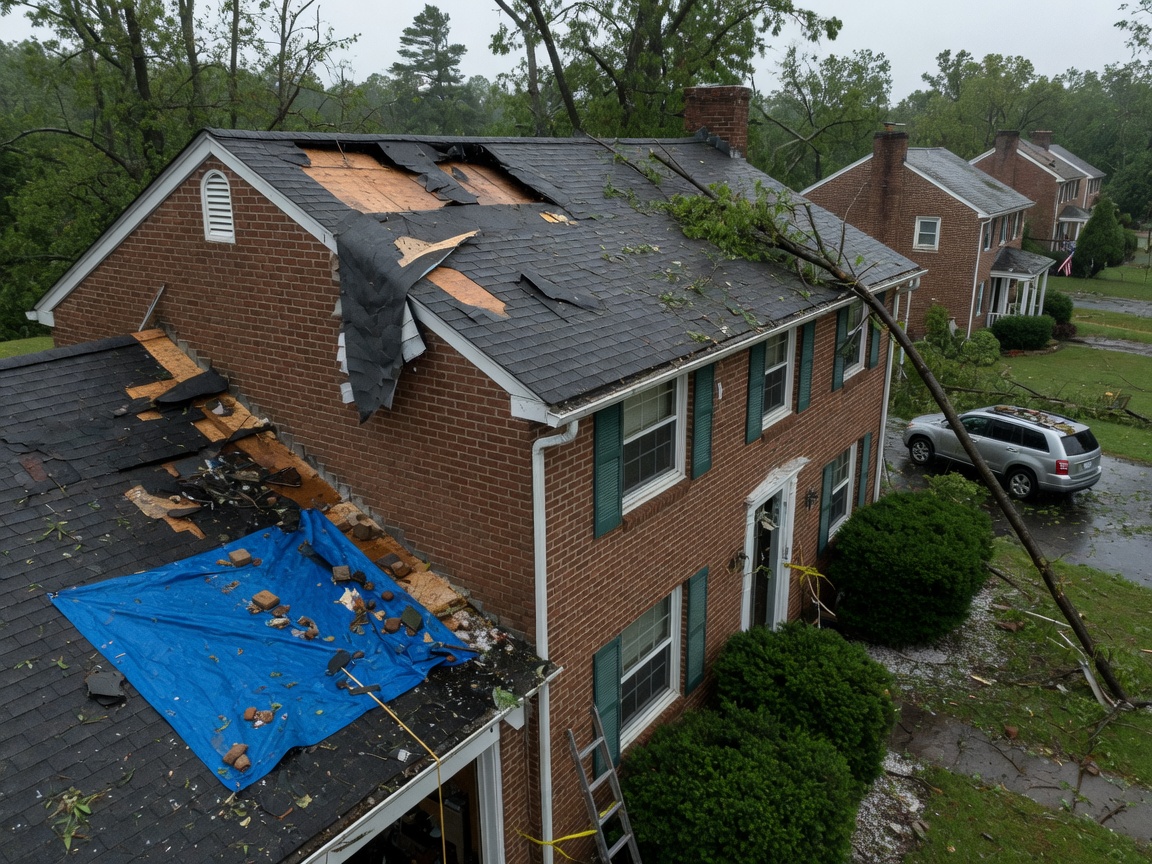
After Maryland thunderstorms roll through Towson, Rodgers Forge, or Stoneleigh, the most common storm damage signs on your roof include missing or torn shingles, dents or pockmarks on metal components, and granule loss from asphalt shingles. These issues often manifest immediately, but some damage, like subtle leaks or structural shifts, might not become apparent for days or even weeks. Given our humid subtropical climate with hot summers and cold winters, the freeze-thaw cycles following water intrusion from storm damage can rapidly worsen conditions, leading to more extensive and costly repairs if not addressed quickly. Homeowners in older neighborhoods like West Towson or near Towson University should be particularly vigilant, as aging roofing materials are more susceptible to high winds and heavy rains.
Visual Inspection from the Ground: What to Look For
Before considering getting on a ladder, a thorough ground-level inspection is your first, safest step after a thunderstorm. Walk around your home in Towson, looking for obvious signs of distress. Pay close attention to the ground around your foundation and landscaping; you might spot shingle fragments, siding pieces, or even tree limbs that have fallen from above. Also, examine your gutters and downspouts. If they are sagging, detached, or overflowing with shingle granules, it's a strong indicator of roof damage. Even if your home is relatively new, say in Ruxton, debris from nearby trees or structures can impact your roof, so a comprehensive perimeter check is crucial.
Missing and Damaged Shingles: A Clear Indicator
One of the most unmistakable signs of storm damage is missing shingles. High winds, common during Maryland thunderstorms, can lift and tear away individual shingles, exposing the underlying roofing materials to the elements. You might see bare spots on your roof, especially along ridges and eaves. Beyond missing shingles, look for those that are cracked, curled, or creased. Even if still attached, a shingle that has been bent or creased by wind is compromised and will not provide adequate protection. This type of damage is particularly prevalent on roofs with older asphalt shingles, which tend to become more brittle over time. If you notice several missing or severely damaged shingles, it's a clear sign you likely need a <a href="/services/missing-shingles-replacement">Missing Shingles Replacement</a> or a more extensive repair.
Granule Loss and Hail Damage: Subtle but Significant
After a hailstorm, which can accompany severe thunderstorms in Baltimore County, one of the most common yet often overlooked signs of damage is granule loss on asphalt shingles. These small, ceramic granules protect the asphalt layer from UV rays and impact. When hail strikes, it dislodges these granules, leaving behind dark, exposed asphalt spots. You might find an accumulation of granules in your gutters or downspouts. While individual granule loss might seem minor, widespread loss significantly reduces the lifespan and effectiveness of your roof. For metal roofs, hail can cause dents and pockmarks, which, while not always leading to immediate leaks, can compromise the protective coating and aesthetic appeal, necessitating a <a href="/services/hail-damaged-roof">Hail Damaged Roof</a> assessment.
Interior Signs of Roof Damage: Don't Overlook Leaks
While exterior damage is often the first thing homeowners notice, storm damage can also manifest inside your home. After a heavy rain, check your ceilings, walls, and attic for signs of water stains, discoloration, or active drips. Water stains often appear as yellow or brown patches and can indicate a slow leak that has been present for some time or a new leak caused by storm damage. In the attic, look for wet insulation, mold growth, or light coming through the roof deck. Even a small leak can lead to significant problems like rot, mold, and compromised structural integrity over time. Addressing these issues promptly is critical, as delaying can turn a minor repair into a major <a href="/services/roof-leaking-replacement">Roof Leaking Replacement</a> project.
Proactive Steps and Professional Assessment
After a significant thunderstorm in Towson, Parkville, or Pikesville, it's always wise to perform a preliminary check. However, for a thorough and safe assessment, especially if you suspect extensive damage, contacting a local professional is recommended. An experienced roofer, like those based at 409 W Pennsylvania Ave, Towson, MD 21204, United States, can safely inspect your roof, identify hidden damage, and provide an accurate assessment. They can differentiate between normal wear and tear and actual storm damage, which is crucial for insurance claims. Understanding the specific challenges of our Baltimore County climate, from humid summers to cold winters, ensures that any repairs or replacements are done with durability in mind. For more insights into local roofing challenges, you might find our article on <a href="/blog/matching-roofing-materials-to-older-homes-in-towson">Matching Roofing Materials to Older Homes in Towson</a> helpful.